
Ford Recent Recalls
By Cameron “Speedy” Martin OEMAuto.parts Contributor
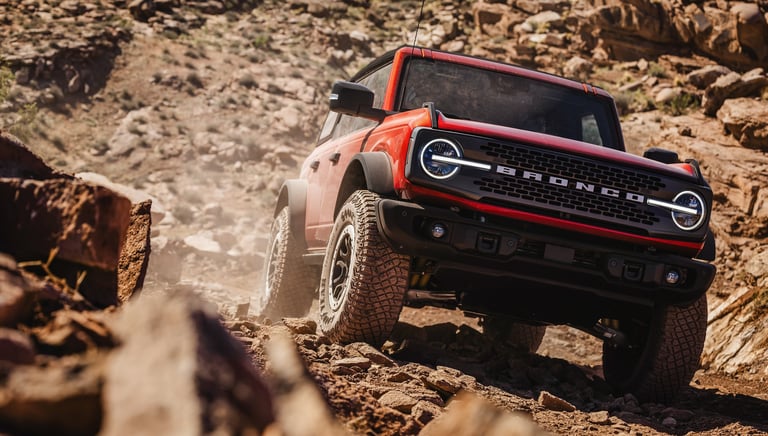
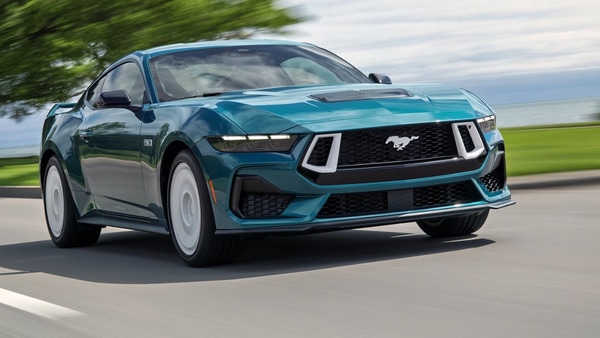
In recent years, Ford Motor Company has faced a series of recalls affecting various models from 2024 to 2026, raising concerns among consumers regarding safety and reliability. As one of the leading automotive manufacturers, Ford's recalls not only impact the company's reputation but also underscore the importance of vehicle safety in the industry. This article aims to provide a detailed explanation of the recalls, including the reasons behind them, the models affected, and the implications for vehicle owners. Additionally, it will explore Ford's response to these issues and the measures the company is taking to ensure consumer safety moving forward.
Overview of Ford Motor Company Recalls
Ford Motor Company has been no stranger to recalls, with each incident underscoring an important aspect of automotive safety and company accountability. Recalls are a corrective measure employed when vehicles are found to have defects that can impact performance, safety, or compliance with regulations. Beginning in the early years of the automobile, recalls have evolved from simple alerts to complex processes involving investigations and extensive repairs. In this context, the recalls from 2024 through 2026 reflect ongoing efforts by Ford to ensure safety and reliability, even as they occasionally stumble down the road. In fact, every Ford model except the GT has been affected by a recall since 2020.
Historical Context of Recalls
Historically, recalls have been a necessary evil in the automotive industry. From the infamous Pinto debacle to various airbag crises, manufacturers like Ford have learned that acknowledging potential problems and acting swiftly can save lives—and a whole lot of legal dollars. The National Highway Traffic Safety Administration (NHTSA) has played a pivotal role in establishing the protocols that govern recalls today. As we move into the mid-2020s, Ford's approach to recalls is shaped by lessons from the past, emphasizing transparency and swift action to maintain consumer trust.
Significance of Recalls in the Automotive Industry
In the grand scheme of things, recalls are akin to automotive safety nets. They remind us that even the best manufacturers can sometimes hit a bump in the road. Recalls not only safeguard drivers but also serve as a crucial feedback loop for automakers. Each recall offers insights into design flaws or production issues, which can lead to enhancements in future models. For consumers, a recall can mean the difference between driving a reliable vehicle and living with a potential hazard—so it’s clear that these announcements are more than just headlines; they carry real weight in assessing a brand's commitment to safety and quality.
Key Reasons for Recalls from 2024 to 2026
As the automotive landscape shifts, so do the reasons behind vehicle recalls. Between 2024 and 2026, Ford's recalls can be attributed to a variety of issues that seem to pop up like those pesky whack-a-mole characters in the arcade. Here’s a breakdown of what’s been happening under the hood. Several Ford models are recalled due to camera, software, rearview mirror, driveshafts and windshield wiper motor issues that can cause the wipers to stop in the middle of a rainstorm.
Manufacturing Defects
Ah, manufacturing defects—the ultimate party crashers of the automotive world. Whether it’s faulty wiring, misaligned axles, or improperly installed components, these defects can sneak into the production line and wreak havoc. During 2024 to 2026, Ford faced several recalls due to manufacturing inconsistencies that were identified during routine inspections or customer complaints. The good news? These defects are often fixable with a simple visit to the dealership.
Safety Concerns and Compliance Issues
Safety is non-negotiable, and sometimes compliance can get a little fuzzy. From airbags that fail to deploy to issues with electronic stability control systems, safety-related recalls are designed to keep drivers and passengers from becoming unwitting crash test dummies. Between 2024 and 2026, safety concerns have led to multiple recalls, indicating that Ford is making sure to dot every “i” and cross every “t” when it comes to adhering to federal safety standards.
Potential for Vehicle Performance Problems
It’s not just about safety; performance is key too. Recalls during this period also addressed concerns related to overall vehicle performance, such as engine malfunctions or drivetrain issues that could prevent optimal operation. While a little hiccup in performance might not seem like a big deal—especially if it’s just a strange noise—Ford understands that even the smallest problems can lead to bigger headaches down the line, hence the proactive recalls to keep everything running smoothly.
Affected Models and Their Features
When recalls hit, it’s essential to know if your trusty steed is among the affected models. Ford's recalls during 2024 to 2026 spanned several popular models, each featuring distinctive elements that make them unique on the road.
List of Recalls by Model Year
Ford’s recall history for this period includes models like the 2024 Ford Explorer, the 2025 Ford F-150, and the 2026 Mustang. Each model faced its own set of challenges, with specific recalls targeting everything from braking systems to infotainment glitches. If you own any of these vehicles, keep an eye on announcements to ensure you’re in the loop and that your ride remains as safe as possible.
Common Features Among Affected Vehicles
Despite the variety of models, many of the affected vehicles share common threads, including innovative technology, advanced safety features, and a commitment to performance. However, technology isn’t infallible—sometimes those fancy bells and whistles might be the very things causing a recall. Features like automated driving assistance and touch-screen interfaces have led to recalls, proving that even modern marvels can have their quirks.
Variations in Recalls Across Different Models
Not every model experiences the same issues, which is why recalls can vary quite a bit. For instance, while one model may face an electronic system recall, another might deal with mechanical issues. This variation emphasizes the importance of model-specific communication from Ford, as owners need tailored information to know how their particular vehicle could be affected.
Impact on Consumers and Owners
Recalls can sometimes feel like a dark cloud hanging over car ownership, but understanding their impact can help ease that burden. Let’s explore how recalls influence consumers and Ford owners alike as they navigate the automotive landscape.
Financial Implications for Vehicle Owners
When a recall is issued, many owners might breathe a sigh of relief knowing the repairs are often covered at no cost. However, there can still be hidden financial pitfalls. Owners may face inconveniences like lost time, missed work, or the potential cost of secondary repairs if they wait too long to address the recall. It’s always prudent to stay proactive and informed—think of it as investing in peace of mind.
Inconvenience and Service Experience
Let’s face it: car repairs are rarely fun. Recalls can lead to unexpected trips to the dealership, and if you’ve ever spent time in a waiting room, you know it can feel like eternity. While most dealerships strive to provide a smooth and efficient service experience, the reality is that your schedule may take a hit. Plan ahead and consider lining up some Netflix or a good book—because you might be there awhile.
Consumer Trust and Brand Perception
For Ford, recalls can be a double-edged sword. While addressing safety issues head-on can bolster trust, repeated recalls may chip away at customer confidence. Ford’s response to recalls—whether through clear communication, transparency, or enhanced service—can shape public perception significantly. In the end, it all boils down to how well they handle the bumps in the road and whether they can earn back the trust of their drivers.
Ford's Response and Remedial Actions
Official Statements from Ford
Ford has acknowledged the recalls with an earnest effort to communicate transparently with vehicle owners. In their official statements, the company emphasizes their commitment to safety, insisting that maintaining consumer trust is paramount. They’ve also noted that although recalls can be inconvenient, they are a proactive measure to ensure the longevity and reliability of their vehicles. So, yes, they’re saying, "We care," and they mean it.
Repair and Notification Processes
For those caught in the recall web, Ford has streamlined their repair and notification processes to make life a tad easier. Affected owners will receive direct notifications via mail and potentially email, detailing the specifics of the recall and the necessary steps to take. Repairs are designed to be quick and free of charge—think of it as a complimentary pit stop in your day. Ford encourages owners to contact their local dealership to schedule appointments, ensuring they’re back on the road faster than you can say “recall.”
Compensation for Affected Owners
Ford isn’t just slapping a “sorry” sticker on these recalls; they’re also looking out for their loyal customers’ wallets. Affected vehicle owners may be eligible for compensation, which could cover expenses like towing, rental cars, or other related costs incurred due to the recall. Details on compensation programs will be provided via the notifications, so keep an eye out—because we all know how annoying it is to miss out on free stuff!
Safety Implications and Regulatory Compliance
Role of the National Highway Traffic Safety Administration (NHTSA)
The NHTSA plays the role of the vigilant safety watchdog, ensuring that vehicle manufacturers like Ford uphold safety standards. When recalls happen, the NHTSA steps in to scrutinize the circumstances, conduct investigations, and coordinate with manufacturers to ensure proper actions are taken. So if you're thinking of testing your luck with a poorly functioning brake pedal, think again—these folks take safety very seriously!
Legal and Regulatory Consequences for Ford
Failing to address recalls can lead to legal repercussions that make Ford’s accountants break out in a cold sweat. The company may face hefty fines and increased scrutiny from regulators if they don’t resolve issues swiftly and transparently. It’s a bit like getting caught at school without your homework—only instead of a detention, you're staring down the barrel of legal fines that could cost millions. Not a great look on anyone's balance sheet!
Long-term Safety Measures
In response to these recalls, Ford is implementing long-term safety measures to avoid falling into the same pit in the future. This involves analyzing data from the recall incidents more thoroughly, investing in safer designs, and enhancing their manufacturing processes. It’s a major overhaul—kind of like renovating a room while trying not to knock down the entire house. Safety is no longer just a box to tick but a culture shift within the company.
Future Preventative Measures by Ford
Improvements in Quality Control
Ford is stepping up their quality control game like a reality show contestant determined to win the heart of America. By investing in advanced technology and training, they're looking to catch potential issues before they get out of hand. Expect more stringent testing protocols and a commitment to better materials—because nobody wants to ride around in a car that feels like it was cobbled together from old pizza boxes.
Enhanced Testing and Development Processes
To ensure that future models are as reliable as your best friend’s Netflix password, Ford is revamping its testing and development processes. This involves integrating more real-world scenarios into their testing routines, ensuring vehicles don’t just perform well in a lab but can handle life’s little surprises—like potholes, rainstorms, and that one time your cousin borrowed your car for “just a minute” and returned it five hours later with a dent.
Commitment to Consumer Safety
Perhaps the most important takeaway is Ford's renewed commitment to consumer safety. They’re taking feedback like a sponge soaking up water, seeking direct input from drivers about their experiences. This proactive stance shows that they’re not just looking to fix problems as they arise but striving to prevent them from occurring in the first place. At the end of the day, they want their drivers to feel safe—and we want to help them keep those cupholders stocked with snacks, not fear.
Conclusion and Recommendations for Vehicle Owners
What to Do if You Own an Affected Vehicle
If you find your vehicle on the recall list, don’t panic! Start by contacting your local Ford dealership to schedule your repair. It’s a good idea to act quickly—kind of like when you see a spider in your bathroom. The sooner you deal with it, the better!
Staying Informed About Future Recalls
Keep your ear to the ground (or, more realistically, subscribe to Ford’s updates) to stay updated on potential future recalls. You can also check the NHTSA website where recalls are listed—think of it as the library of shame for car issues.
Understanding Your Rights as a Consumer
Lastly, arm yourself with knowledge about your rights. As a consumer, you have the right to safe vehicles and prompt service. If things don’t pan out as promised, don’t hesitate to voice your concerns. After all, it’s your ride, and you deserve to feel safe and secure behind the wheel!In conclusion, the recalls from Ford Motor Company between 2024 and 2026 highlight the ongoing challenges of ensuring vehicle safety in an ever-evolving automotive landscape. While these recalls can be inconvenient and concerning for vehicle owners, understanding the reasons behind them and the actions being taken by Ford can help mitigate fears. Consumers are encouraged to stay informed about their vehicles and to take proactive steps in addressing any recall notifications. Ultimately, Ford’s commitment to rectifying these issues will be crucial in restoring trust and ensuring the safety of its customers.
FAQs
What should I do if my Ford vehicle is recalled?
If your Ford vehicle is recalled, you should contact your local dealership to schedule a repair. You can also check the official Ford website for details on the recall and specific instructions.
How can I find out if my vehicle is affected by a recall?
You can find out if your vehicle is affected by entering your Vehicle Identification Number (VIN) on the Ford website or the National Highway Traffic Safety Administration (NHTSA) website, which provides information on all active recalls.
Will Ford cover the costs associated with the recall repair?
Yes, typically, Ford covers the costs of repairs related to recalls. The repairs should be performed at no charge to the vehicle owner.
How long will the recall repair take?
The duration of the recall repair can vary depending on the complexity of the issue and the availability of parts. Your local dealership should be able to provide an estimated timeframe when you schedule the appointment.
Contact
Questions about OEM parts? Want to advertise on this site? Reach out anytime.
Phone
support@oemparts.app
© 2025-2026. All rights reserved.
800-540-TEAM