
Why OEM Parts Matter for Your Vehicle
Choosing OEM parts ensures your Ford, Jeep, or Toyota runs smoothly with components built to original specs.
3/10/20266 min read


When it comes to vehicle maintenance and repairs, the choice between Original Equipment Manufacturer (OEM) auto parts and aftermarket alternatives can significantly impact the performance, reliability, and longevity of your vehicle. For owners of popular brands like Dodge, Toyota, Jeep, Chevy, Cadillac, Ford, Ram, and General Motors, understanding the benefits of opting for OEM parts is crucial. OEM parts are specifically designed to fit and function perfectly with your vehicle, ensuring high quality and compatibility. This article will explore the numerous advantages of using OEM auto parts, highlighting their importance in maintaining the integrity of your vehicle and providing peace of mind as you drive.
Understanding OEM Auto Parts: Definition and Importance
What Are OEM Auto Parts?
Original Equipment Manufacturer (OEM) auto parts are the same components that your vehicle was born with—made by the original manufacturer. Think of them as the official merchandise of the automotive world; if your Dodge, Toyota, Jeep, Chevy, Cadillac, Ford, Ram, or General Motors vehicle had a fan club, these parts would be the exclusive gear. They’re designed specifically for your make and model, ensuring that everything fits just like it should—the automotive version of a tailor-made suit!
Difference Between OEM and Aftermarket Parts
In the vast universe of auto parts, aftermarket parts are like the flashy knock-offs at a street market. They might look good and come at a lower price, but the fit and durability can often leave you wanting more. OEM parts are crafted to meet the same stringent standards as the originals; they offer peace of mind while aftermarket parts can be hit-or-miss on quality. So, if you prefer certainty over a gamble, think OEM.
Quality Assurance: The Reliability of OEM Parts
Manufacturing Standards and Specifications
OEM parts are manufactured to exacting standards set forth by the vehicle manufacturer. They go through a rigorous process that ensures each part meets the requirements for safety, performance, and durability. It's like having a bouncer at the door of quality control, only letting in the A-listers. This attention to detail means your car gets the best—after all, wouldn’t you want the same for your ride?
Testing and Quality Control Processes
Before hitting the shelves, OEM parts undergo extensive testing to ensure they meet the manufacturer's specifications. This can include everything from stress tests to environmental trials that simulate years of wear and tear in a matter of days. So, while your vehicle is out there battling potholes and rush hour traffic, OEM parts have already proven they can handle the heat—literally and metaphorically.
Compatibility and Performance: Why OEM Matters for Your Vehicle
Precision Fit and Functionality
When it comes to your vehicle, a snug fit is key—like that perfect pair of jeans that doesn’t make you question your life choices. OEM parts are engineered for exact fits, meaning they slide into place seamlessly without any awkward adjustments. No modifications required! This precise functionality means your ride will operate as smoothly as it did when it first rolled off the assembly line.
Impact on Vehicle Performance and Safety
Using OEM parts can significantly enhance your vehicle's performance and safety. When every component works harmoniously together, you get better handling, improved fuel efficiency, and—most importantly—an added layer of safety. After all, your safety is a non-negotiable feature, and opting for OEM parts ensures your vehicle performs its best when you need it most.
Cost-Effectiveness in the Long Run: Investing in OEM Parts
Initial Costs vs. Long-Term Savings
Sure, OEM parts may come with a higher upfront price tag, but consider them an investment in your vehicle's longevity. Think of it as paying for quality over quantity. In the long run, the additional miles you get from reliable OEM parts often outweigh the initial costs, saving you from those pesky repeat repairs that come with cheaper aftermarket alternatives.
Reduction in Repairs and Maintenance Costs
By choosing OEM parts, you're not just delaying the inevitable; you're actively investing in a more reliable vehicle. With their superior design and materials, OEM parts are less likely to fail, which means fewer visits to the mechanic and lower maintenance costs over time. Essentially, choosing OEM is like buying insurance for your car—better to have it and not need it than to need it and not have it!
Warranty Benefits: Protecting Your Investment with OEM
Manufacturer Warranties and Coverage
When you invest in a shiny new Dodge, Toyota, Jeep, Chevy, Cadillac, Ford, Ram, or General Motors vehicle, you expect it to last. OEM (Original Equipment Manufacturer) parts are specifically designed to meet the standards set by the manufacturer, ensuring that your vehicle remains in optimal condition. Using OEM parts keeps your warranty intact, safeguarding that hefty investment and giving you peace of mind. If your ride encounters a hiccup, you won't find yourself navigating a minefield of warranty disputes because you chose the right parts.
Implications of Using Non-OEM Parts on Warranties
Going the non-OEM route might seem like a money-saver at first, but it can turn into a wallet-busting nightmare if it voids your warranty. Manufacturers often state that using aftermarket parts can compromise the warranty coverage, leaving you out in the cold if something goes awry. So, if you want to dodge the warranty drama, stick with OEM parts and keep your repair costs manageable.
Enhanced Resale Value: The Impact of Using OEM Parts
Market Perception and Buyer Confidence
When it’s time to part with your trusty vehicle, first impressions matter. Using OEM parts can enhance your car’s resale value, as savvy buyers are often on the lookout for vehicles that have been maintained with genuine components. The market perception shifts positively when your car boasts authentic OEM parts, giving potential buyers the warm and fuzzy feeling they need to fork over the cash.
Documentation and Provenance of OEM Parts
Keeping the receipts can go a long way! Documentation of OEM parts not only shows that you cared for your vehicle but also provides potential buyers with an assurance that the parts are reliable. Having proof of quality parts can make your vehicle more appealing and justify a higher asking price, turning that “For Sale” sign into a “Sold” sign faster than you can say “OEM.”
Reduction of Waste through Quality Parts
Using OEM parts means you’re investing in durability and quality, which can significantly reduce waste. Quality parts are less likely to fail, meaning fewer replacements and repairs down the line. This waste reduction is a win for both your wallet and the planet. So, if you want to leave a smaller carbon footprint while keeping your ride in top shape, OEM is the way to go.
In conclusion, choosing OEM auto parts for your beloved Dodge, Toyota, Jeep, Chevy, Cadillac, Ford, Ram, or General Motors vehicle offers significant benefits. It ensures you maintain that precious warranty, enhances your car’s resale value, and supports eco-friendly practices. Why settle for less when you can have the best?
Final Thoughts on OEM vs Aftermarket Parts
While aftermarket parts may seem tempting, the old adage “you get what you pay for” rings especially true here. Sticking with OEM components is like choosing a trusty friend over a wildcard acquaintance—you know they’ll have your back when it counts. So, next time you’re faced with a repair, remember: OEM parts might cost a little more upfront, but they pay off in spades down the road!In conclusion, choosing OEM auto parts for your Dodge, Toyota, Jeep, Chevy, Cadillac, Ford, Ram, or General Motors vehicle offers a range of benefits that extend beyond mere compatibility and performance. The quality assurance, warranty protection, and potential cost savings make OEM parts a smart investment for any vehicle owner. As you consider your options for repairs and maintenance, remember that selecting OEM parts can help ensure your vehicle remains reliable, safe, and retains its value over time.
FAQs
What does OEM stand for, and how does it differ from aftermarket parts?
OEM stands for Original Equipment Manufacturer. OEM parts are produced by the vehicle's manufacturer and are designed specifically for that make and model, ensuring perfect fit and function. In contrast, aftermarket parts are made by third-party companies and may not always meet the same quality or compatibility standards.
Are OEM parts more expensive than aftermarket options?
While OEM parts can be higher in initial cost compared to some aftermarket parts, they often provide better quality, longevity, and reliability, leading to potential long-term savings on repairs and maintenance.
Will using OEM parts affect my vehicle warranty?
Using OEM parts typically does not void your vehicle warranty. In fact, many manufacturers require the use of OEM components for certain repairs to maintain warranty coverage. Always check your warranty terms for specific requirements.
How can I ensure I’m purchasing genuine OEM parts?
To ensure you’re buying genuine OEM parts, purchase from authorized dealerships like the web sites on this site. Verify the part numbers and packaging, and consult with a professional mechanic if you have any doubts about the part's authenticity.
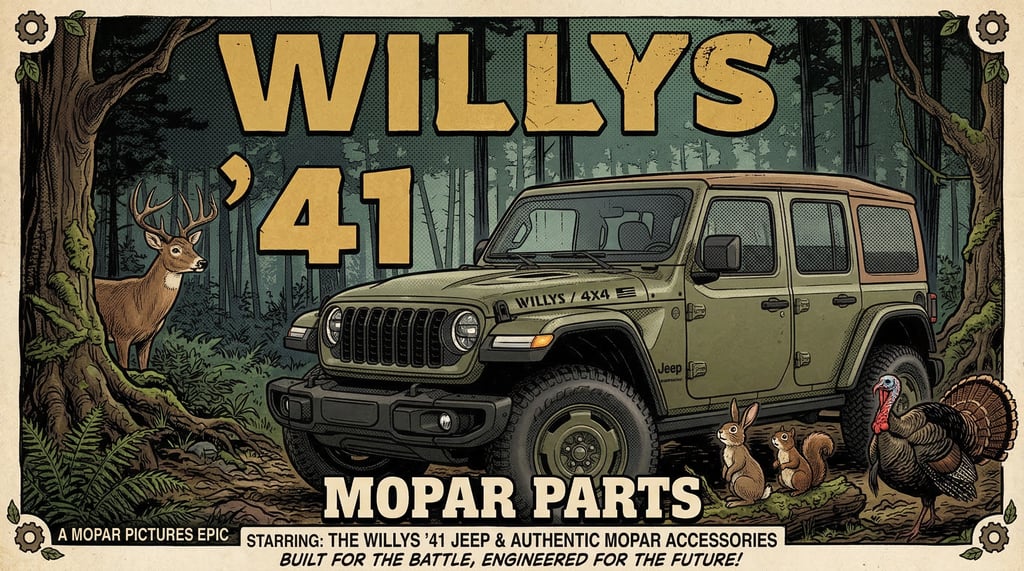

Sponsored by MoparPart.com
Contact
Questions about OEM parts? Want to advertise on this site? Reach out anytime.
Phone
support@oemparts.app
© 2025-2026. All rights reserved.
800-540-TEAM